Can diabetes affect the eye?
Diabetes commonly causes damage to the retina of the eye causing diabetic retinopathy. The retina develops areas of swelling or bleeding.
What is the Retina?
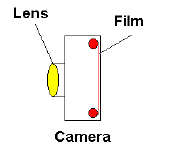
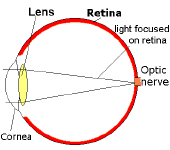
The eye is like a camera. At the back there is a thin layer like the camera film which receives the picture & develops it. This layer is called the retina.
What is special about the retina?
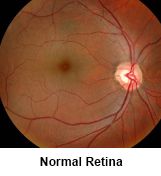
It is packed with millions of cells & nerves. A vast network of veins, arteries & capillaries carries blood & oxygen for these cells. It is a marvelous & complicated layer which works like a sophisticated computer. Once damaged it cannot be repaired.
How does diabetes affect the retina?
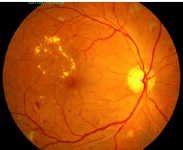
In the first stage, called non proliferative diabetic retinopathy (NPDR) the capillaries, which are the thin pipes carrying blood, get damaged. Small blood clots & white patches are scattered around the retina. The vision remains normal as the center of the eye is not much affected.
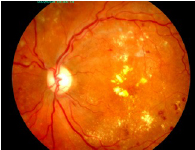 In the second stage, called diabetic macular edema (DME) there is leakage of blood & fluid into the layers of the retina. Patches of swelling are surrounded by yellow deposits. There is moderate loss of vision.
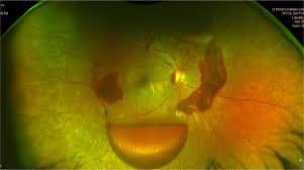
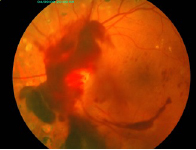 In the third & very serious stage, called proliferative diabetic retinopathy (PDR), blood can suddenly burst outside the retina into the center of the eye causing severe loss of vision.
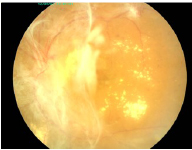 In the fourth stage, called advanced PDR, thick white membranes grow over the retina, pulling it, tearing it & irreversibly damaging it.
How can diabetic retinopathy be detected?
Because damage starts from the periphery of retina, the vision is usually not affected till the damage quite advanced. Therefore, to detect it early, all diabetics must check their eyes every year even if they don’t feel any problem. Simply testing the number with the optician is not enough. Only a qualified eye specialist with proper retina training & experience will properly check for diabetic retinopathy
Are any special tests are needed?
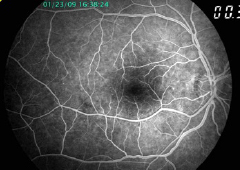
Fluorescein Angiography :
This is a special test where a medicine is injected into a vein in the hand & photographs are taken of the retina. This test clearly shows how good the blood circulation is in the retina. Areas of swelling, bleeding & damage are clearly highlighted.
OCT :
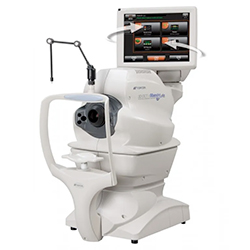
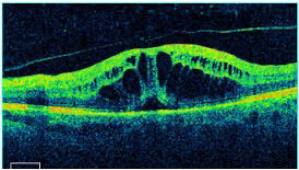
This is a special scan of the center of the retina which gives a detailed magnified view to show areas of swelling or damage
Optos Imaging :
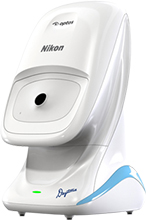
Optos scanning laser ophthalmoscope gives a wide field image of the retina in seconds, with no need for dilatation of the pupil, allowing easy diagnosis and documentation of diabetic retinopathy.
What is the treatment?
In the first stage of NPDR, good control of diabetes will prevent damage & progression of the eye disease.
From the second stage onwards (DME), good diabetic control is important, but not enough. For localized swollen areas, focal Laser treatment can reduce the swelling. Injections of special drugs called anti VEGF agents can also control the swelling.
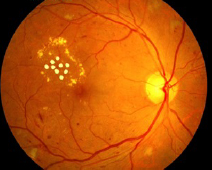
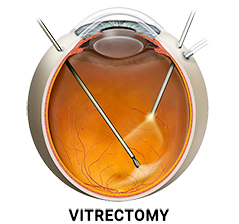
In the third stage (PDR) treatment has to be much more extensive. The entire retina has to be treated with thousands of laser spots. This reduces but may not completely eliminate the risk of bleeding. If bleeding continues, vitrectomy surgery may be required.
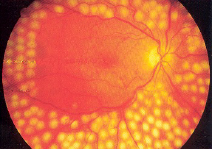
Extensive laser for severe retinopathy
Will Laser cure the retinal damage or improve vision?
Laser can reduce but sometimes may not completely halt the bleeding or swelling. Surgery is sometimes needed. Courses of newer injectable medicines like Lucentis or Avastin help in some patients to reduce the bleeding. Prevention of retinopathy by strict control of diabetes right from its onset is the best principle.
What facilities are available at Lobo Eye Clinic?
- First and foremost, Dr Donald Lobo is a trained retinal surgeon with over 30 years of experience in the medical and surgical treatment of diabetic retinopathy and other retinal disorders
- The latest diagnostic instruments like the OCT and Optos scanners ensure quick and accurate screening and diagnosis of retinopathy.
- Advanced medical treatments for diabetic retinopathy is available with injections of Accentrix, Eylea and Avastin for diabetic macular swelling and bleeding.
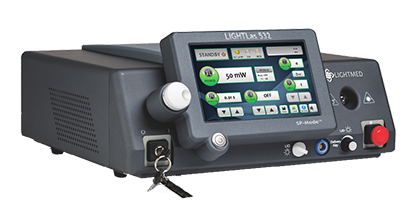
- Green laser treatment is routinely done at our clinic for diabetic patients.
- Delicate surgical treatment like 23 G vitrectomy with endolaser, gas & silicone oil is done for advanced proliferative diabetic retinopathy.